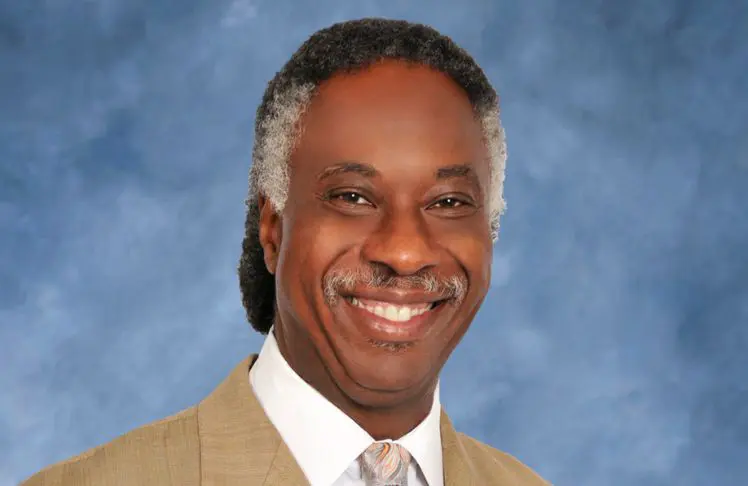
By Rev. Dr Carey Anderson , Senior Pastor of FAME, Seattle
Juneteenth is more than a date—it is a declaration. On June 19, 1865, more than two years after the Emancipation Proclamation, enslaved African Americans in Galveston, Texas finally learned they were free. That delay is not just a historical footnote; it is a powerful reminder that freedom delayed is freedom denied, and that justice requires vigilance, not just proclamation.
As we commemorate Juneteenth, we honor the resilience, faith, and determination of a people who refused to let their humanity be erased. We celebrate the strength of ancestors who built families, communities, churches, and institutions even while enduring unimaginable oppression. Juneteenth is both a celebration of liberation and a sober reflection on the unfinished work of freedom in America.
Today, the echoes of that delayed freedom still resound. Disparities in voting access, education, healthcare, economic opportunity, and criminal justice reveal that while slavery has been abolished, the struggle for equity continues. Juneteenth calls us not only to remember, but to respond—to confront systems that perpetuate inequality and to commit ourselves to building a more just society.
The Black Church has long stood at the forefront of this work—proclaiming liberty, organizing for justice, and nurturing hope in the face of adversity. It remains a moral compass, reminding us that faith without action is insufficient, and that true freedom must be lived out in our communities and public life.
Juneteenth challenges each of us to ask: What does freedom look like today? And what is our responsibility in ensuring that freedom is fully realized for all? Commemoration must lead to commitment. Celebration must lead to change.
Let us honor Juneteenth not only with parades and gatherings, but with purpose. Let us recommit ourselves to truth, justice, and equity. And let us move forward together, determined to close the gap between the promise of freedom and its lived reality.
Because until freedom is experienced equally by all, the work of Juneteenth is not done.