
By Aaron Allen, The Seattle Medium
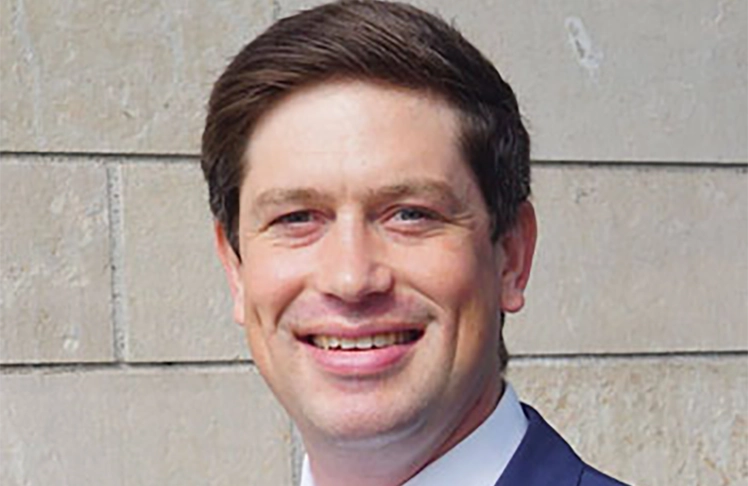
Tens of thousands of working-class Seattle residents could soon see substantial financial relief on their monthly utility bills under legislation introduced by Seattle City Councilmember Dan Strauss.
The proposal would expand eligibility for Seattle’s Utility Discount Program, extending assistance to an estimated 31,000 additional low-income households. Depending on energy and water usage, qualifying families could save up to $1,000 annually through reduced utility costs.
At the center of the proposal is a shift in how the city determines eligibility for assistance. Currently, Seattle’s utility discount programs rely on the State Median Income, a statewide benchmark that critics say does not adequately reflect the higher cost of living in the Seattle area.
Under Strauss’ proposal, eligibility would instead be based on Area Median Income, a regional measure already used by many of the city’s housing programs and one that reflects economic conditions across the Seattle-Bellevue-Tacoma-Everett region.
According to Strauss, the current system creates a steep eligibility cliff that leaves many working families without assistance.
“We are expanding the utility discount program to 31,000 new people and families, and this is important because in the past if you made $1 or $2 above the eligibility threshold, it was a steep cliff you got no benefit,” said Strauss.
“Life is more expensive in King County than it is in rural Washington state,” said Strauss. “We have been relying on the state median income, which means that fewer people who would otherwise be eligible are eligible. This change expands the eligible pool of beneficiaries and creates a roadmap for creating a step-down benefit package rather than a sharp cliff.”
If approved, households earning less than 60% of the Area Median Income would qualify for a 60% discount on Seattle City Light bills and a 50% discount on Seattle Public Utilities bills.
The change would substantially increase the income limits used to determine eligibility. For a one-person household, the limit would rise from approximately $48,192 under the current standard to $66,000. For a family of four, the threshold would increase from about $92,664 to $94,290.
City officials estimate that approximately 8,800 senior households could benefit from the expansion, particularly older adults living on fixed incomes and facing rising housing and utility costs.
The proposal would be funded through modest rate increases spread across utility customers. The average Seattle City Light customer would see an increase of about 50 cents per month, while Seattle Public Utilities customers would see an average increase of approximately 27 cents per month.
According to Strauss, the financial impact is limited in part because many residents who already qualified for assistance under existing rules never enrolled in the program.
“We had a great plan with CEO Dawn Wendell of Seattle City Light, but she’s no longer with us, and I haven’t seen that conversation continue,” said Strauss. “So I’ve got greater concerns today about our rate path, and that’s part of why it’s important that we get this discount available to more people.”
The expanded benefits and corresponding rate adjustments would take effect April 1, allowing implementation to align with the city’s broader utility rate schedule.
The legislation follows more than a year of collaboration among Strauss’ office, Seattle City Light, Seattle Public Utilities and the City Budget Office. Council President Joy Hollingsworth has joined Strauss as a co-sponsor of the proposal.
“So many people in Seattle are being squeezed as costs keep rising, and it is increasingly difficult for individuals and families to pay their utility bills,” said Hollingsworth. “This legislation is an important step to helping people keep the lights on as we prepare for rate increases.”
In addition to expanding discount eligibility, the legislation includes several administrative changes intended to make assistance programs easier to access.
The proposal would raise eligibility for the Emergency Assistance Program to 80% of Area Median Income, expanding access to one-time assistance for residents struggling with past-due utility bills.
It would also establish automatic enrollment for households already participating in programs such as SNAP and other public assistance programs, reducing administrative barriers for eligible residents.
A pilot program aimed at simplifying verification and recertification requirements for seniors would also be launched under the proposal.
Looking ahead, the legislation outlines a longer-term affordability strategy that could further expand utility assistance. City officials plan to explore increasing eligibility to 70% of Area Median Income by 2028 and 80% by 2029.
According to Strauss, utility affordability remains one of the few areas where local government has direct authority to provide immediate financial relief.
“Seattle has become more expensive to live in, and the Seattle City Council does not have direct control over many of the levers to provide more affordability in our city,” said Strauss. “The property tax exemptions come from the county; many different programs come from the state. For the city, we have control over our utility bills, and this is a moment where Council President Hollingsworth and myself are using one of the few levers that we have to make Seattle more affordable for everyday families.”
The legislation is scheduled for its first briefing before the Governance and Utilities Committee on June 11.